


If someone in Vancouver, WA is getting dental implants, they can expect a predictable healing process and clear steps to ease recovery. Follow your dentist’s aftercare instructions, manage swelling with cold packs, stick to soft foods, and maintain gentle oral hygiene to reduce complications and speed healing.
The article walks through what to expect right after surgery, how to handle discomfort, safe activity levels, and when to call your dentist. It also covers long-term care, nutrition tips, and local Vancouver resources so anyone feels supported from surgery day through full recovery.
What To Expect After Your Dental Implant Procedure
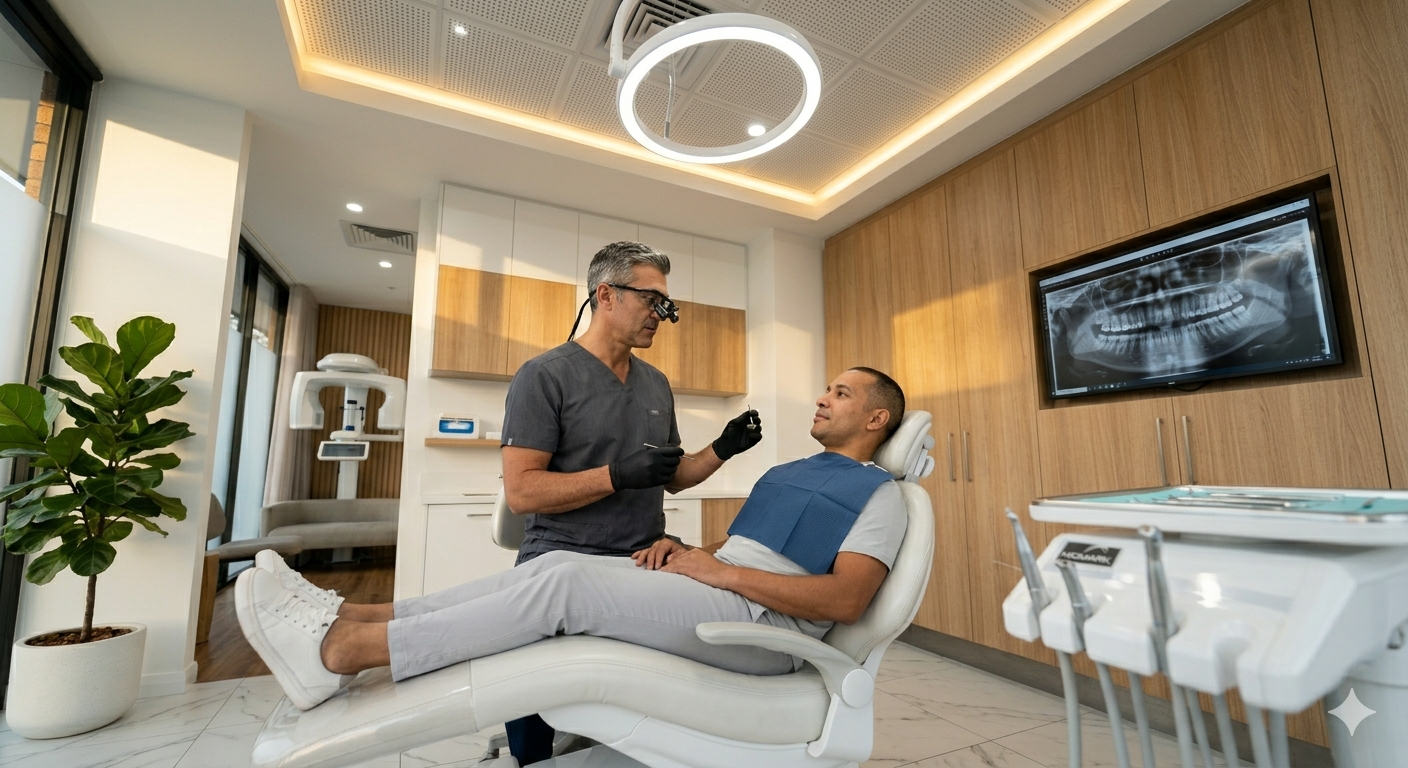
Recovery usually proceeds in predictable stages: initial discomfort and swelling, gradual tissue healing, and eventual bone integration. Most patients in Vancouver, WA return to normal eating and activity over several months with routine follow-ups and simple home care.
Timeline of Recovery Stages
Day 0–3: Bleeding should taper within 24 hours; gentle gauze pressure controls it. Expect moderate swelling and bruising that peak on day two; cold packs for 20 minutes on/off help. Pain is managed with prescribed or over‑the‑counter analgesics as directed.
Day 4–14: Swelling and bruising subside. Stitches (resorbable or removed at 7–10 days) will no longer irritate. Soft foods like mashed potatoes, yogurt, and smoothies protect the surgical site while chewing on the opposite side.
Weeks 6–12: Soft tissue heals and the implant begins strong bone integration (osseointegration). Light normal chewing often resumes, but avoid hard, crunchy foods on the implant until the clinician clears full load.
Months 3–6+: Full osseointegration completes for most implants. Final abutment and crown placement usually occurs in this window. Regular maintenance visits every 3–6 months help monitor implant health and hygiene.
Normal Symptoms Versus Signs of Concern
Normal symptoms include mild to moderate pain that decreases each day, localized swelling, minor bruising, and slight bleeding at the socket. Numbness that returns gradually is common if local anesthesia affected nearby nerves temporarily.
Contact the clinic promptly for these warning signs: severe, worsening pain after 72 hours despite medication; increasing or spreading swelling; fever above 100.4°F (38°C); persistent heavy bleeding beyond 24 hours; pus, foul odor, or green/yellow drainage at the site; or sudden loosening of the implant or crown.
If any of these signs appear, call the Vancouver, WA dental office immediately for evaluation. Early intervention prevents complications and often preserves the implant outcome.
Managing Discomfort and Swelling
Patients should expect some pain and puffiness after implant surgery and can control these with prescribed medications, over-the-counter options, and targeted home care. Applying cold early, using prescribed analgesics as directed, and following activity restrictions reduce most discomfort and swelling within a week.
Effective Pain Relief Options
The surgeon commonly prescribes an opioid only if surgery was extensive; otherwise, ibuprofen (200–600 mg every 6–8 hours as needed) or naproxen (220 mg every 8–12 hours) provides strong inflammation control. If the patient is already on blood thinners or has stomach issues, the dentist will recommend acetaminophen (500–1,000 mg every 4–6 hours, not exceeding 3,000 mg/day) instead.
For breakthrough pain, a short course opioid may be combined with acetaminophen per the surgeon’s instructions. Always follow dosing limits and ask the clinic about interactions with current medications. They should avoid aspirin for 48–72 hours unless their physician advises otherwise because aspirin can increase bleeding.
At-Home Remedies for Swelling
Apply a cold pack to the outside cheek for 10–15 minutes on, then 10–15 minutes off during the first 48 hours to limit swelling; continue for the first 24–48 hours while awake. After 48 hours, switch to warm compresses for 10–20 minutes to encourage circulation and reduce residual stiffness.
Sleep with the head elevated on two pillows for the first 3 nights to reduce fluid pooling. Maintain a soft-food diet (yogurt, mashed potatoes, scrambled eggs) and avoid hot liquids for 48 hours. Gentle saltwater rinses (½ teaspoon salt in 8 ounces warm water) start 24 hours after surgery, performed 3–4 times daily to keep the site clean and decrease swelling. If swelling worsens after 72 hours or is accompanied by fever, contact the clinic promptly.
Oral Hygiene for Implant Success
Good daily care prevents infection and protects the implant-abutment seal. Focused cleaning, gentle technique, and the right products keep surrounding gum tissue healthy and reduce risk of complications.
Gentle Cleaning Techniques
They should use a soft-bristled toothbrush and short, light strokes around the implant crown and gum line. Brushing twice daily for two minutes with gentle pressure removes plaque without abrading the tissue or disturbing the healing site.
Interdental cleaning matters. A soft nylon interdental brush sized to fit gently between the implant and adjacent teeth removes food and biofilm more effectively than floss alone. Glide the brush back and forth without forcing it; replace it when bristles splay.
When flossing, choose PTFE or waxed floss and thread it beneath the contact point, hugging the implant surface in a C-shape to lift plaque away. Water flossers set to a low or medium pressure can complement manual flossing, especially around hard-to-reach areas, but they should not replace mechanical contact for firm biofilm removal.
Recommended Dental Products
Choose a soft-bristle toothbrush labeled “soft” and, if preferred, an extra-small head for better access to posterior implants. Manual brushes work well; powered oscillating-rotary brushes are a good option for patients who prefer extra cleaning efficiency.
Use a non-abrasive toothpaste with a Relative Dentin Abrasivity (RDA) below 70 to protect the implant crown finish and surrounding enamel. Avoid whitening pastes with high abrasives or charcoal formulas that can scratch prosthetic surfaces.
Select an antiseptic mouthrinse with 0.12% chlorhexidine for short-term use after surgery to control bacteria; limit use to the period recommended by the dentist (typically up to two weeks) to avoid staining and taste changes. For long-term daily rinsing, a fluoride or essential-oil rinse is preferable. Ask the dentist about specific brands and sizing for interdental brushes and water flosser tips to match the implant’s shape and spacing.
Eating and Nutrition During Healing
Proper food choices and steady fluids support tissue repair, control swelling, and reduce the risk of infection after dental implant surgery. Focus on soft, nutrient-dense foods, avoid irritants, and keep liquids at a comfortable temperature.
Foods to Eat and Avoid
They should eat soft, high-protein, and vitamin-rich foods to promote bone and gum healing. Good choices include:
- Greek yogurt, cottage cheese, and smoothies (add protein powder or silken tofu).
- Mashed potatoes, well-cooked vegetables, and applesauce for fiber and vitamins.
- Scrambled eggs, soft fish, and pureed lentil soups for easy-to-chew protein.
Avoid hard, crunchy, or sticky foods for at least 2–4 weeks after implant placement. Foods to skip include: - Nuts, chips, hard candies, raw carrots, and tough meats.
- Sticky items like caramel, gum, and chewy candy that can dislodge healing tissue.
They should also avoid spicy foods, acidic citrus, and very salty items in the first week if these cause pain or irritation. If instructed by the surgeon, maintain a cold-food regimen (e.g., chilled smoothies) to help reduce swelling during the initial 48–72 hours.
Maintaining Hydration
They should aim for consistent fluid intake to aid circulation and saliva production, which help fight bacteria. Target about 8–10 cups (64–80 ounces) of fluids per day unless otherwise directed by a physician.
Water is the best choice; drink room-temperature or cool water to avoid irritating surgical sites. Avoid alcohol and limit caffeinated beverages because they can slow healing and cause dry mouth. If difficulty swallowing or pain limits drinking, use a straw only if the surgeon approves—otherwise avoid straws for the first 72 hours to prevent dislodging a blood clot.
Include hydrating foods like broths, smoothies, and diluted fruit juices (non-acidic) to increase fluid and calorie intake. If appetite is low, sip protein-rich oral supplements between meals to maintain nutrition without chewing.
Safe Activity and Rest Recommendations
Follow specific limits on movement and sleep positions to protect the implant site, control bleeding and swelling, and support healing. Avoid strenuous exertion, protect the surgical area from bumps, and prioritize uninterrupted, elevated sleep for the first few nights.
Physical Activity Guidelines
Patients should avoid heavy lifting and vigorous cardio for at least 72 hours after implant surgery. Activities that raise heart rate and blood pressure — running, CrossFit, weightlifting — increase bleeding risk and can dislodge clots. Light walking around the house or neighborhood is encouraged to promote circulation and reduce stiffness.
If swelling or bleeding persists, extend activity restrictions and contact the dental office. Use cold packs on the cheek in 15-minute on/off cycles for the first 24 hours to reduce swelling. Resume non-strenuous daily tasks after 3–5 days, and follow the clinician’s timeline before returning to contact sports or swimming.
Importance of Restful Sleep
Patients should sleep with their head elevated on two pillows or in a recliner for the first 2–4 nights. Elevation reduces blood pooling and swelling, which lowers pain and bleeding overnight. Avoid sleeping on the surgical side to prevent pressure on the implant and accidental rubbing.
Maintain a consistent bedtime routine and limit evening caffeine or alcohol, as both can interfere with sleep and thin blood. If discomfort interferes with sleep, take prescribed pain medication 30–45 minutes before bed and use a soft bite guard only if the clinician recommends it.
When To Contact Your Dentist
Monitor pain, swelling, bleeding, and changes in sensation after implant surgery. Promptly contacting the dental office helps prevent complications and keeps healing on track.
Recognizing Warning Signs
They should call the dentist if pain increases after 72 hours or if pain is not controlled by prescribed medication. Persistent or worsening swelling beyond three days, new or spreading redness, or a fever over 100.4°F (38°C) are signs of possible infection that require same-day attention.
Continuous bleeding that soaks more than two thick gauze pads in an hour despite pressure needs immediate evaluation. Numbness or tingling that appears or worsens after the first few days can indicate nerve involvement and should be reported.
Loose components, such as a wobbly healing abutment or temporary crown, risk disrupting osseointegration and warrant prompt repair. Any foul taste or pus at the surgery site, difficulty swallowing or breathing, or trouble keeping fluids down qualifies as an emergency—call immediately.
Scheduling Follow-Up Visits
They should attend the post-op check scheduled for 1–2 weeks to confirm initial healing, remove sutures if present, and review hygiene technique. The dentist will assess the soft tissue, check for signs of infection, and ensure the implant remains stable.
A radiographic follow-up is often done at 3–6 months to verify bone integration; patients need reminders to book that appointment. If grafting was performed, additional visits at 4–6 months may be required before final restoration.
Provide the office with changes to health status—new medications, pregnancy, or recent illnesses—so staff can adjust timing or precautions. Encourage patients to call sooner rather than later if anything feels off; early assessment prevents most minor issues from becoming major problems.
Long-Term Care for Dental Implants
Dental implants require the same daily attention as natural teeth to remain healthy and functional. They do not decay, but the surrounding gum and bone can still be affected by plaque and inflammation.
Encourage patients to brush twice daily with a soft-bristled toothbrush and to floss or use interdental brushes once a day. Electric toothbrushes and water flossers often make cleaning around implants easier and more effective.
Regular dental checkups matter. Schedule professional cleanings and implant evaluations every 3–6 months at first, then as recommended by the dentist based on oral health.
Watch for early signs of trouble: persistent redness, bleeding, swelling, pain, or loosening of the implant. Promptly addressing these symptoms increases the chance of saving the implant.
Lifestyle choices affect long-term success. Smoking and uncontrolled diabetes raise the risk of implant complications, so encourage cessation programs and medical management when appropriate.
Use a simple checklist to help patients remember care steps:
- Brush twice daily with a soft brush
- Floss or use interdental brushes daily
- Visit the dentist for routine cleanings and implant checks
- Avoid smoking and control systemic health issues
- Report any unusual symptoms promptly
They should speak with their Vancouver, WA dental team about personalized maintenance plans, implant-friendly home care tools, and scheduling to keep implants stable for years to come.
Local Resources and Support in Vancouver, WA
Patients can find local dental clinics experienced with implants across Vancouver, WA. Many family dental practices and specialty offices offer implant placement, follow-up care, and emergency visits to support recovery.
Community health centers provide low-cost options and sliding-scale fees for those without insurance. The Clark County Public Health website lists clinics and oral health programs that help with access to care.
Pharmacies and medical supply stores in Vancouver stock common post-op items like saline rinse, ice packs, and soft-food options. Major chains and independent pharmacies can also fill prescriptions quickly when pain control or antibiotics are needed.
Supportive services include dental labs for custom abutments and local oral surgeons for complicated cases. Referrals between general dentists and specialists are common; coordination helps keep recovery on track.
Patient support groups and online neighborhood forums can offer practical tips from locals who’ve undergone implants. They provide real-world advice on eating, medication timing, and choosing a comfortable pillow for sleep.
Helpful contact list:
- Clark County Public Health — oral health programs and clinic referrals
- Local pharmacies — prescription fills and over-the-counter supplies
- Dental specialty offices (periodontists/oral surgeons) — advanced implant care and urgent issues
- Dental labs — prosthetic adjustments and custom components
They should call their dental office before visiting for urgent questions. Encouraging a follow-up appointment ensures any concerns during recovery get timely attention.
Frequently Asked Questions
These answers cover common recovery concerns such as pain timing, safe foods, cleaning methods, healing timelines, and warning signs that need prompt dental attention.
What should I expect during the first 24 hours after getting a dental implant?
Expect some bleeding, swelling, and mild-to-moderate pain controlled by prescribed or OTC pain relievers. Ice packs applied 20 minutes on, 20 minutes off for the first 6–12 hours help reduce swelling.
Limit activity, rest with the head elevated, and avoid spitting, using straws, or vigorous rinsing to prevent dislodging the clot. Follow any antibiotic or medication schedule exactly as prescribed.
Which day is usually the most uncomfortable after implant surgery, and how can I manage it?
Discomfort often peaks 48–72 hours after surgery. Take pain medication as directed before pain becomes severe and continue gentle icing during the first two days.
Use soft foods, avoid strenuous activity, and sleep propped up the first few nights. Contact the clinic if pain increases despite medication or if swelling worsens after day three.
What are the best foods to eat (and avoid) while my implant site is healing?
Eat soft, nutrient-dense foods like mashed potatoes, yogurt, scrambled eggs, smoothies (no straw), and blended soups for the first week. Cool or lukewarm temperatures reduce sensitivity.
Avoid hard, crunchy, sticky, or chewy foods such as nuts, chips, steak, candy, and chewing gum until the dentist clears chewing on that side. Also avoid very hot beverages for several days.
How do I keep my mouth clean after implant surgery without irritating the area?
Gently rinse with warm salt water (1/2 teaspoon salt in 8 ounces of water) starting 24 hours after surgery, four times daily and after meals. Use a soft-bristled toothbrush and avoid direct scrubbing of the surgical site for the first week.
If prescribed, use any medicated mouthwash exactly as directed. Resume normal brushing near the area gradually, using light strokes to avoid disturbing sutures or the healing tissue.
How long does implant healing typically take before I can chew normally again?
Initial soft-tissue healing usually occurs within 1–2 weeks, but osseointegration (bone fusing to the implant) commonly takes 3–6 months. Patients can often return to limited chewing on the opposite side within days, with full biting force restored only after the implant has integrated and the final crown is placed.
Your dentist will schedule follow-ups and confirm when it is safe to resume normal chewing.
What warning signs during recovery mean I should call my dentist right away?
Call the dentist immediately for uncontrolled bleeding, severe pain not relieved by medication, increasing swelling after 72 hours, fever over 100.4°F (38°C), or foul-tasting drainage from the site. Also report loosening of the implant, persistent numbness beyond a couple of days, or difficulty breathing or swallowing.
Early contact helps the dental team address infections, dry socket-like complications, or other issues promptly.