


When a dental emergency strikes in Vancouver, WA, finding prompt and reliable care is essential to prevent pain and protect your smile. Emergency dental care in Vancouver, WA, provides quick access to expert treatment for issues like severe toothaches, broken teeth, and sudden injuries. Knowing where to turn can make all the difference when unexpected dental problems arise.
Many local dental offices offer same-day appointments or after-hours services to address urgent needs. These clinics focus on patient comfort and use modern techniques to relieve pain quickly and preserve teeth whenever possible. Whether it’s a knocked-out tooth or an intense toothache, timely care can help avoid complications down the road.
People often worry about what counts as a true dental emergency and how to act in those critical moments. This article will guide readers through common emergencies, what steps to take immediately, and how to find trusted emergency dental care in Vancouver without added stress.
Recognizing Urgent Dental Situations
Knowing when a dental issue requires immediate care can prevent further damage and reduce pain. Some symptoms clearly signal the need for quick action, while common causes often point to accidents or infections. Understanding these details helps patients respond appropriately and seek the right help without delay.
Signs You Need Immediate Attention
Severe tooth pain that doesn’t improve with over-the-counter medication is a major warning sign. Swelling around the mouth, face, or jaw can indicate infection needing prompt care. Bleeding that won’t stop after applying gentle pressure also requires urgent evaluation.
Other urgent signs include a knocked-out tooth, loose permanent teeth, or visible damage such as cracks or fractures. Fever accompanying dental pain usually signals an infection spreading beyond the tooth, making emergency treatment essential. Sudden difficulty opening the mouth or swallowing are additional serious symptoms to watch for.
Common Causes of Dental Emergencies
Trauma from sports injuries or accidents often leads to emergencies like knocked-out or broken teeth. Biting down on hard objects such as ice or popcorn kernels is another frequent cause of cracked or fractured teeth.
Infections from untreated cavities or gum disease can quickly turn urgent if abscesses form. Wisdom teeth complications also may cause painful swelling needing fast attention. Lastly, lost or damaged fillings and crowns expose the tooth to further harm and discomfort that shouldn’t be ignored.
When to Seek Prompt Treatment
If pain is constant, intense, or worsens over hours, an urgent visit is necessary. Immediate care is also needed when swelling affects breathing, vision, or causes severe discomfort.
If a tooth is knocked out, saving it properly and reaching a dental office within an hour improves the chance of reattachment. For lost restorations, seeking care within 24 hours helps prevent decay or infections. When in doubt, contacting a local emergency dental provider ensures the right guidance and timely treatment.
What To Expect During Your Emergency Visit
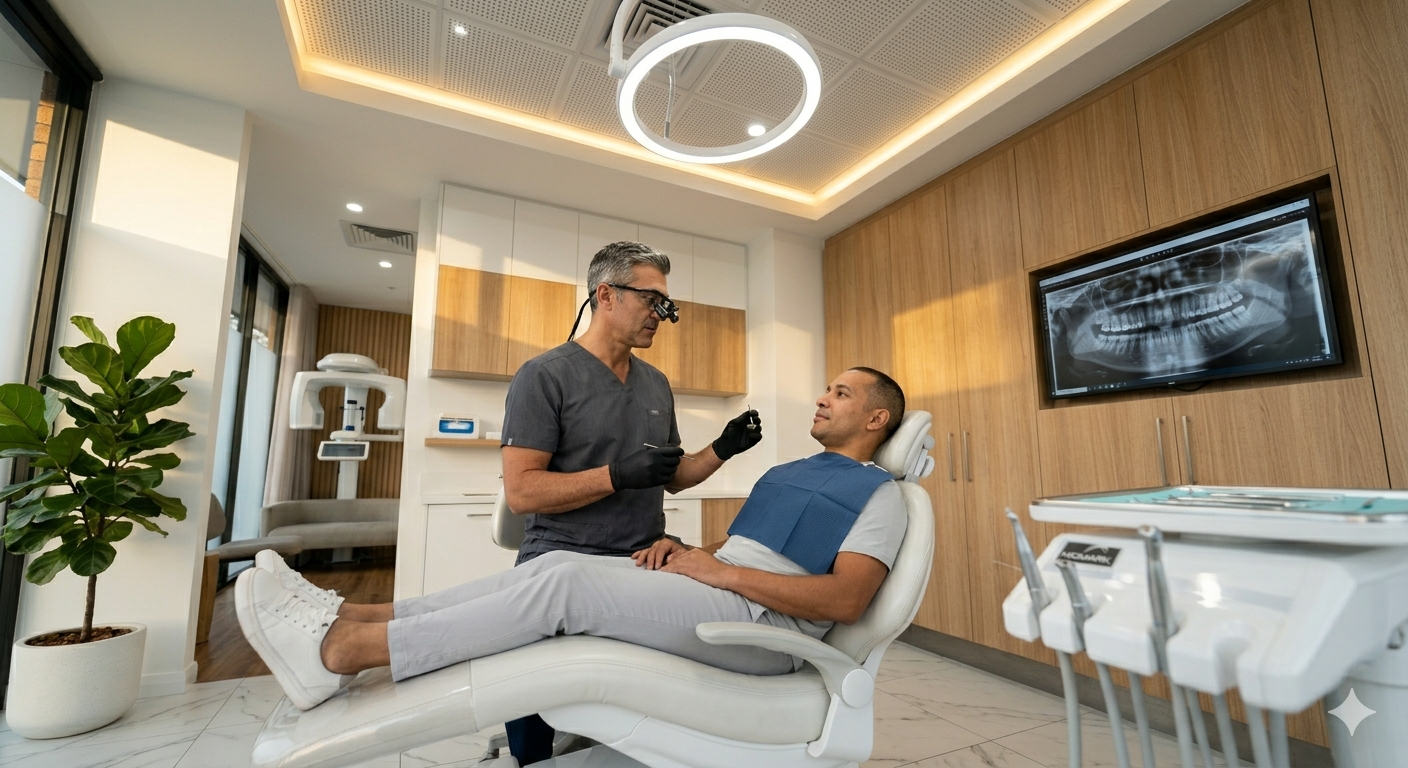
When arriving for emergency dental care, patients can expect a process focused on quick relief and accurate diagnosis. The team prioritizes comfort, controls pain promptly, and uses targeted diagnostic tools to address the issue efficiently.
Initial Assessment and Comfort Steps
Upon arrival, the dental team will ask about the nature and timing of the dental emergency. They will review medical history and any current medications to ensure safe treatment. Comfort is a priority, so patients may receive a cold compress or be seated in a calming environment right away.
The dentist will perform a quick but thorough visual exam to identify visible signs of trauma, swelling, or infection. They also assess the patient’s anxiety level and may offer calming techniques if needed. Clear communication about what to expect helps reduce stress during this initial phase.
Pain Relief Options
Pain management is one of the first steps in emergency dental care. Depending on the severity, options include local anesthetics to numb the affected area or over-the-counter pain relievers recommended for immediate use. For more intense pain, the dentist may prescribe stronger medication.
If swelling is present, ice packs or anti-inflammatory medications can help reduce discomfort. The goal is to stabilize pain quickly so further treatment can proceed comfortably. Patients are always advised on safe use and possible side effects of pain relief options.
Diagnostic Procedures
After addressing immediate pain and discomfort, the dental team uses diagnostic tools to pinpoint the problem. X-rays are commonly taken to view tooth roots, bone structure, or impacted areas not visible to the naked eye. In some cases, 3D imaging may be used for detailed assessment.
These diagnostics help determine the best course of treatment — whether it’s repair, extraction, or infection control. The dentist explains findings clearly, ensuring patients understand the situation and available options before proceeding with care.
Treatments for Typical Dental Emergencies
Emergency dental care in Vancouver, WA covers quick and effective responses to common but urgent dental problems. Immediate attention can reduce pain and improve outcomes, whether a tooth is broken, a severe toothache strikes, or an infection starts developing.
Managing Broken or Knocked-Out Teeth
When a tooth breaks or is knocked out, quick action is crucial. For a knocked-out tooth, the best chance for saving it involves gently rinsing it with water (avoid scrubbing) and trying to place it back in the socket. If that’s not possible, keeping it moist in milk or a tooth preservation kit and visiting a dentist within an hour improves the odds of reattachment.
For broken teeth, rinsing the mouth with warm water and applying a cold compress to reduce swelling helps. Avoid chewing on the broken side and save any tooth fragments. Dentists may offer bonding, crowns, or in severe cases, root canal treatment and extraction.
Care for Severe Toothaches
Toothaches often signal underlying issues like decay, infection, or gum disease. The first step involves rinsing with warm water and flossing to remove trapped food particles. Over-the-counter pain relief and cold compresses can reduce discomfort temporarily.
If the pain is sharp, persistent, or accompanied by swelling, it indicates a more serious issue needing prompt dental care. Treatment options may include fillings, root canals, or antibiotics if infection is present. Timely care prevents worsening pain and complications.
Addressing Oral Infections
Oral infections can cause swelling, fever, and intense pain. Common infections include abscesses, which form when bacteria invade the soft tissue or bone around a tooth. Ignoring infections can lead to serious health risks.
Emergency treatment typically involves draining the abscess and prescribing antibiotics. If a tooth is the source, extraction or root canal therapy is necessary to eliminate infection. Early treatment reduces discomfort and prevents spread to other areas like the jaw or bloodstream.
How Our Vancouver WA Dental Team Supports You
The dental team is committed to providing quick, effective relief while making patients feel comfortable and understood. They use both empathy and advanced tools to handle emergencies with care and precision.
Compassionate Approach to Patient Care
The team prioritizes patient comfort from the moment you call. They listen carefully to your concerns and tailor treatment to minimize pain and anxiety. Whether it’s a sudden toothache or an injury, their goal is to ease stress through clear communication and gentle care.
They recognize that dental emergencies can be scary, so they create a calm environment with friendly staff who explain each step. This supportive approach helps patients feel secure and informed during urgent visits.
Modern Technology in Emergency Dentistry
Vancouver’s dental offices use up-to-date technology to diagnose and treat problems faster and more accurately. Digital X-rays provide clear images with less radiation, so dentists can pinpoint issues immediately.
They also employ tools like laser dentistry and advanced bonding techniques to repair chipped or broken teeth quickly. This modern equipment reduces treatment time and improves outcomes, allowing patients to return to normal activities sooner.
Preparing for Dental Emergencies at Home
Knowing how to act quickly during a dental emergency can make a big difference. Having the right supplies and clear steps to follow helps reduce pain and prevent further damage until professional care is available.
Tips for Immediate Self-Care
If a tooth is knocked out, rinse it gently with water but avoid scrubbing. Try to place it back in the socket or keep it moist in milk or saline. For a broken tooth, save any pieces and rinse your mouth with warm water.
Apply a cold compress to the outside of the mouth or cheek to reduce swelling. Use over-the-counter pain relievers like ibuprofen to ease discomfort, but avoid aspirin as it may increase bleeding. Never touch exposed roots or sores with dirty hands.
If there is bleeding, apply gentle pressure with a clean cloth or gauze. Avoid eating hard foods, and keep your head elevated to control bleeding and swelling.
Creating a Dental First Aid Kit
A simple, well-stocked kit can be a reliable ally in urgent moments. Include gauze pads, saline solution, and cotton balls for cleaning and controlling bleeding. Pack oral pain relief gel for quick numbing.
Add a small container of milk or a tooth preservation kit to keep a knocked-out tooth properly hydrated. Include clean tweezers for handling broken tooth fragments, and a small mirror to inspect the injury closely.
Store your kit in a clearly labeled, waterproof box in an easily accessible place. Keep your dentist’s contact info printed and nearby, so you can call quickly when an emergency arises.
Aftercare and Preventive Strategies
Proper care after an emergency dental visit is crucial for healing and avoiding future problems. This includes following specific healing steps and adopting habits that protect teeth long-term.
Steps to Promote Healing
After emergency treatment, patients should avoid eating hard, crunchy, or sticky foods for at least 24-48 hours. Soft foods like yogurt, mashed potatoes, and soups are better choices. Keeping the mouth clean is essential, but brushing gently around the treated area helps prevent irritation.
Pain and swelling can be managed with over-the-counter pain relievers and cold compresses applied to the outside of the cheek for 10-15 minutes at a time. Patients should avoid smoking and alcohol as they can delay healing. Following any medication instructions precisely promotes faster recovery.
Scheduling a follow-up appointment is important to ensure the dental injury or infection is healing properly. If signs of increased pain, bleeding, or swelling occur, contacting the dentist immediately is key.
Reducing Future Risks
To reduce the chance of needing emergency dental care again, patients should maintain consistent oral hygiene habits. Brushing twice daily with fluoride toothpaste and flossing once daily removes plaque buildup that can cause decay and gum problems.
Wearing a custom mouthguard during sports or other high-risk activities can protect teeth from injury. Regular dental checkups every six months allow early detection and treatment of issues before they become emergencies.
Limiting sugary snacks and drinks helps prevent cavities. Staying hydrated with water supports saliva production, which naturally fights bacteria. These small lifestyle changes can significantly lower the risk of dental emergencies in the future.
Contacting Local Resources in Vancouver WA
Knowing how to quickly reach the right dental help can make a big difference during an emergency. It’s key to find a dentist close by who can respond promptly and to know what details to share when making that call.
Finding an Emergency Dentist Nearby
Locating an emergency dentist near Vancouver, WA, often begins with a quick online search or calling your regular dental office for recommendations. Many local clinics post their emergency hours on their websites or have a dedicated hotline.
Urgent dental clinics or offices affiliated with hospitals can also provide immediate care. When searching, look for terms like “24-hour emergency dentist” or “same-day dental care.” Patient reviews and Google Maps can help verify wait times and quality of service.
It’s helpful to have a list of a few options beforehand, including contact numbers and addresses. Some offices offer walk-in service, but calling ahead ensures they can prepare for your visit.
What Information to Provide When You Call
When contacting a dental clinic in an emergency, clear and precise information speeds up the process. Start with your name, phone number, and location. Describe the dental issue, such as severe pain, bleeding, broken teeth, or swelling.
Mention any relevant medical history, allergies, or medications, as these details affect treatment options. If the problem involves trauma, like a knocked-out tooth, include when and how the injury happened.
Asking if they accept your dental insurance or offer payment plans can also be useful. Providing these key points helps the dental team prepare the right care quickly, making your emergency experience less stressful.
Insurance and Payment Considerations
When it comes to emergency dental care in Vancouver, WA, understanding insurance coverage can make a stressful situation a little easier. Most dental insurance plans cover some portion of emergency services, but coverage varies widely.
Patients should check with their insurance provider about which services are included. Commonly covered procedures include tooth extractions, pain relief, and X-rays. However, some treatments might require pre-authorization or come with higher out-of-pocket costs.
For those without insurance, many clinics offer flexible payment options. These can include:
- Payment plans spread over several months
- Discounts for upfront payment
- Financing through third-party companies
It’s a good idea to ask the dental office about available payment options before treatment. This helps avoid surprises and makes managing expenses more comfortable.
Emergency dental visits can be unexpected. Asking these questions early gives patients confidence and peace of mind during a difficult time. If insurance details seem confusing, the staff at most Vancouver dental clinics are willing to help explain benefits and assist with paperwork.
Encouraging patients to call ahead with questions about insurance or payment helps ensure a smoother visit when emergencies happen. Experts recommend keeping insurance cards and contact info handy for quick reference.
Encouragement to Take the Next Step
When dental pain strikes or an injury happens, it’s important not to wait. Prompt action can often prevent further damage. People in Vancouver, WA, who experience sudden dental issues should feel confident reaching out for emergency care.
Many local dentists offer quick, compassionate service designed to get patients out of pain and on the path to healing. They understand how stressful dental emergencies can be and work to make every visit as comfortable as possible.
Taking the next step means calling a trusted dental office or visiting their website to learn about available emergency services. Preparing a simple plan, like saving emergency contact numbers, can ease anxiety if a problem arises.
Quick tips for what to do next:
- Identify the nearest emergency dental provider
- Keep important information handy (insurance, medical history)
- Call or book an appointment as soon as symptoms start
By acting early, patients benefit from expert care that preserves their smiles and health. A friendly dental team in Vancouver is ready to answer questions and help anyone facing dental troubles to feel supported and understood.
Frequently Asked Questions
Understanding when to seek urgent dental care, how to handle sudden tooth problems without a regular dentist, and managing pain at home can make a big difference. Knowing what steps to take right after an injury and what to expect during emergency visits helps patients feel more prepared.
What counts as a true dental emergency versus something that can wait until tomorrow?
True dental emergencies include severe tooth pain, uncontrolled bleeding, knocked-out teeth, swelling that affects breathing or swallowing, and signs of infection like fever. Mild discomfort, loose fillings, or minor chips usually can wait until the next day.
If I don’t have a regular dentist, what should I do when a tooth problem suddenly flares up?
Look for an emergency dental clinic nearby that accepts walk-ins or offers same-day appointments. Calling ahead to explain the symptoms helps staff prepare and reduces wait times.
Can an emergency room or urgent care clinic help with severe tooth pain or a dental infection?
Emergency rooms generally treat pain with medication but do not provide definitive dental care like fillings or extractions. Urgent care may offer antibiotics for infections but cannot replace specialized dental treatment.
How can I manage tooth pain or swelling safely at home until I’m seen by a dentist?
Over-the-counter pain relievers like ibuprofen can reduce discomfort. Applying a cold compress on the cheek helps control swelling. Avoid very hot, cold, or sugary foods that may aggravate pain.
What should I do right away if I chip, crack, or knock out a tooth?
Rinse your mouth with warm water and gently clean the injured area. For a knocked-out tooth, hold it by the crown and place it back in the socket if possible or store it in milk. Seek emergency dental care immediately.
Do emergency dental visits typically include same-day treatment, and how long do they usually take?
Many emergency visits result in same-day treatment to stop pain or prevent infection, though complex procedures may require follow-ups. Appointments usually last 30 to 60 minutes depending on the problem’s severity.