


Dental implants in Vancouver, WA, offer a reliable way to replace missing teeth with a natural look and feel. They provide a permanent solution that supports both function and appearance, helping patients chew comfortably and smile confidently. For those dealing with tooth loss, implants are designed to integrate with the jawbone, making them more stable than traditional dentures.
Patients often wonder about the process and how implants can fit into their lifestyle. Modern dental offices in Vancouver focus on comfort and customization, ensuring treatments suit individual needs while minimizing discomfort. Understanding these options can ease concerns and highlight the benefits of choosing implants over other tooth replacement methods.
What Are Dental Implants?
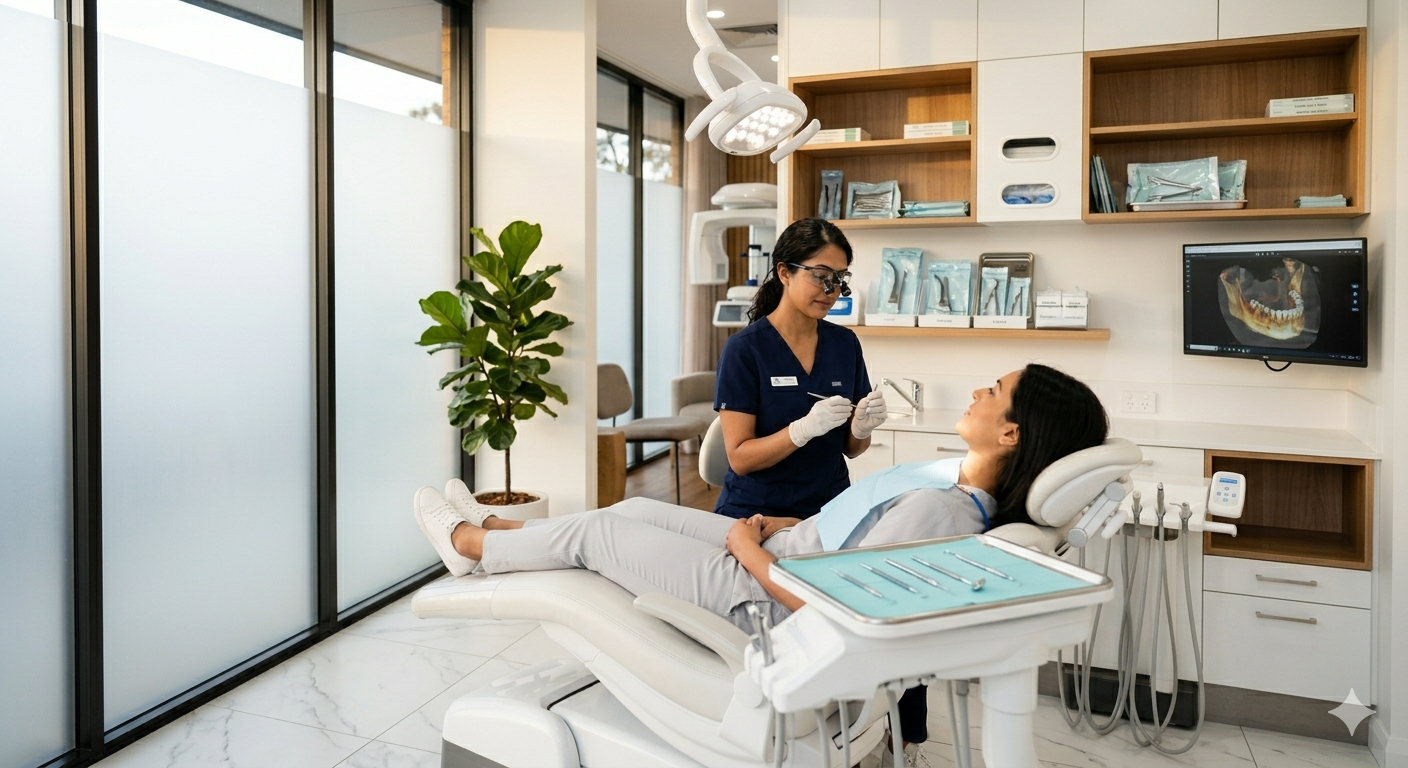
Dental implants are designed to replace missing teeth with a stable and natural-looking solution. They consist of several parts that work together to restore function and appearance. Understanding these components helps patients feel more confident about the process.
Understanding the Basics
Dental implants are small titanium posts surgically placed into the jawbone to act as artificial tooth roots. Because titanium bonds well with bone, this creates a strong foundation for replacement teeth.
Once healed, implants can support crowns, bridges, or dentures. They look and feel like natural teeth, helping with chewing and speaking. Unlike dentures, implants don’t slip or require adhesives. This makes them a preferred choice for many patients wanting long-term results.
How Dental Implants Work
The process starts with a detailed examination to assess bone health. If there’s enough bone, the implant is placed into the jaw through a minor surgical procedure, usually under local anesthesia.
Over several months, the bone grows around the implant in a process called osseointegration, securing it firmly. After healing, an abutment is attached to the implant, allowing the dentist to place the custom-made crown or prosthetic. This setup mimics the function of a natural tooth root and crown.
Types of Dental Implants
There are mainly two types of dental implants: endosteal and subperiosteal. Endosteal implants are the most common and are placed directly into the jawbone. They work well for patients with healthy bone.
Subperiosteal implants rest on top of the jawbone but beneath the gum. These are used when a patient has insufficient bone height or cannot undergo bone grafting. Each type is chosen based on individual bone structure and health for the best outcome.
Benefits of Dental Implants in Vancouver WA
Dental implants provide a reliable solution that benefits more than just appearance. They support chewing ability, protect jawbone health, and offer a lasting alternative to traditional tooth replacements.
Restoring Confidence and Function
Dental implants look and feel like natural teeth, helping patients regain their smiles with confidence. They are securely anchored in the jawbone, which means they won’t slip or move when eating or speaking. This stability improves chewing efficiency, allowing people to enjoy a wider variety of foods without worry.
Unlike dentures, implants don’t require adhesives or cause discomfort from shifting. For many, this restores not only function but a sense of normalcy in daily life. Custom-matched crowns blend with existing teeth for a seamless appearance, boosting self-esteem during social interactions.
Long-Term Oral Health
Implants play a critical role in maintaining jawbone density. When a tooth is lost, the bone underneath can start to deteriorate over time. Implants act like natural tooth roots, stimulating the bone and preventing this resorption.
They also help protect surrounding teeth by filling gaps and preventing neighboring teeth from shifting. Unlike bridges, implants don’t rely on adjacent teeth for support, which can preserve the health of natural teeth.
Maintaining good oral hygiene around implants promotes their longevity, often lasting 15 years or more with proper care.
Comparing Implants to Other Options
When compared to dentures or bridges, dental implants offer several clear advantages. Dentures can sometimes cause irritation and require frequent adjustments, while implants provide a fixed, durable solution.
Bridges often involve reducing the size of nearby healthy teeth to hold the replacement in place. Implants avoid this by being independent of adjacent teeth, reducing the risk of damage to the rest of the mouth.
While implants may have a higher upfront cost, their durability and lower maintenance often make them cost-effective in the long run. They also provide better comfort and functionality for daily life.
Who Is a Good Candidate for Dental Implants?
Selecting dental implants depends on several important factors, including the condition of the patient’s mouth, their age, and any health or lifestyle concerns. Understanding these elements helps ensure the best possible outcome and long-term success.
Evaluating Your Oral Health
A solid foundation in the mouth is crucial for dental implants. Candidates should have healthy gums free of active infection or advanced gum disease. Adequate bone density and volume in the jaw are essential because implants need to anchor securely.
If bone loss is an issue, a dentist may recommend bone grafting to build up the area. Good oral hygiene and regular dental visits support healing and maintenance after implantation. Smokers or those with untreated dental problems might need extra care or preparation before proceeding.
Considerations for Different Ages
Dental implants are most commonly ideal for adults whose jawbones have fully matured. Teens or young adults usually wait until facial growth is complete. For older adults, implants remain a reliable option if overall health permits.
Age alone isn’t a barrier—bone quality and healing ability matter more. Elderly patients often find implants beneficial for restoring function and improving comfort over dentures. A thorough evaluation helps determine timing and suitability tailored by age.
Medical Factors and Lifestyle
Certain medical conditions can affect healing and the success of dental implants. Diabetes, autoimmune disorders, or conditions that impact bone health require careful management before implant placement. Medications like bisphosphonates might also influence candidacy.
Lifestyle factors include smoking and oral hygiene habits. Smoking reduces blood flow and can slow recovery or increase the risk of implant failure. Patients willing to follow care instructions and maintain healthy habits generally have higher success rates.
Discussing complete medical history with the dental team ensures customized care and realistic expectations.
The Dental Implant Process Step by Step
Dental implants involve several key stages to ensure a secure, natural-looking tooth replacement. Each step is carefully planned and executed to promote healing, comfort, and a strong foundation for the new tooth.
Initial Consultation and Planning
During the first visit, the dentist evaluates the overall oral health and discusses the patient’s goals. This includes a thorough exam, digital X-rays, and sometimes 3D scans to assess bone density and structure. These images help determine if the jawbone is healthy enough for an implant or if additional procedures like bone grafting are needed.
The dentist also reviews medical history and addresses any concerns about the procedure. A personalized treatment plan is developed, outlining timelines, costs, and expected outcomes. This upfront planning reduces surprises and helps patients feel confident about the process.
Implant Placement Procedure
The implant placement begins with local anesthesia to ensure comfort. The dentist makes a small incision in the gum to expose the jawbone, then carefully drills a hole to insert the titanium implant post. This post acts as the artificial tooth root.
After placement, the gum is stitched closed over or around the implant. The procedure generally takes about one to two hours. Patients may feel mild swelling or discomfort afterward, which can be managed with over-the-counter pain relievers and ice packs.
Healing and Osseointegration
Healing is critical for long-term success. Over the next three to six months, the implant undergoes osseointegration, where the bone fuses tightly around the post. This process stabilizes the implant and makes it strong enough to support a crown.
During this period, the patient follows specific care instructions to avoid placing pressure on the implant. The dentist schedules regular check-ups to monitor healing. Once fully integrated, an abutment is attached to the implant, and a custom crown is placed to restore function and appearance.
What to Expect During Recovery
Recovery after dental implant surgery involves several stages, including healing the surgical site, managing any discomfort, and allowing the implant to integrate with the bone. Following detailed care instructions is crucial for a smooth process and successful results.
Post-Procedure Care Tips
Right after the implant placement, patients should avoid disturbing the area by not touching it with fingers or tongue. Applying an ice pack intermittently for the first 24 hours helps reduce swelling.
Eating soft foods like yogurt, mashed potatoes, or smoothies is recommended for the first few days. Avoid hot beverages, alcohol, and smoking as they can interfere with healing.
Oral hygiene should be gentle, using a soft-bristled brush around the implant site. Rinsing with a prescribed antimicrobial mouthwash or warm saltwater several times daily minimizes infection risk.
Patients should rest and elevate their head when lying down to control bleeding and swelling. Avoid strenuous activity for at least 48 hours post-surgery.
Managing Discomfort
It’s normal to experience some pain, swelling, or minor bleeding following the procedure. Over-the-counter pain medications like ibuprofen or acetaminophen usually suffice.
The dentist may prescribe stronger pain relief or antibiotics depending on the individual’s situation. Cold packs applied right after surgery reduce inflammation effectively.
If pain increases after a few days or if there are signs of infection, such as pus, fever, or excessive swelling, prompt dental consultation is necessary.
Using ice, resting, and following medication instructions carefully keeps discomfort manageable during the critical first week after surgery.
Timeline for Healing and Results
Initial healing of the gums takes about 1 to 2 weeks. During this time, the implant site closes up and any swelling or soreness diminishes.
Bone integration, or osseointegration, is a gradual process often taking 3 to 6 months. This is when the titanium implant fuses securely with the jawbone, providing a stable foundation for the crown.
After successful integration, the permanent tooth restoration is placed. Patients can expect a natural look and function once the process is complete.
Regular follow-ups with the dental provider ensure the implant is healing properly and address any issues early on.
Caring for Your Dental Implants
Proper care is crucial to keep dental implants healthy and lasting many years. Paying attention to daily cleaning, regular check-ups, and preventing issues ensures the implant functions well and protects overall oral health.
Daily Oral Hygiene
Dental implants require thorough daily cleaning, just like natural teeth. Brushing twice a day with a soft-bristled toothbrush helps remove plaque around the implant. It’s important to use non-abrasive toothpaste to avoid scratching the implant surface.
Flossing is vital, too. Patients can use implant-specific floss or interdental brushes to clean between the implant and adjacent teeth. This helps prevent gum inflammation, which could harm the implant’s foundation.
Rinsing with an antimicrobial mouthwash can reduce bacteria, supporting a healthy gum line. Consistency in these habits supports the implant’s integration and reduces the risk of infection or implant failure.
Regular Dental Visits
Routine dental visits are essential for monitoring the health of the implant and surrounding tissues. A dentist will check for signs of bone loss, gum disease, or other complications that may not be visible at home.
Professional cleanings should be scheduled every 3 to 6 months, depending on individual needs. These appointments remove hardened plaque (calculus) from areas that regular brushing can’t reach.
During visits, X-rays may be taken to examine the implant’s integration with the jawbone. Early detection of problems allows for simple treatments instead of complex procedures later.
Preventing Complications
Avoiding complications starts with protecting the implant from risk factors like smoking and poor oral hygiene. Tobacco reduces blood flow to gums, slowing healing and increasing infection risk.
Patients should avoid using implants to bite very hard foods or objects, which can cause damage. Teeth grinding or clenching should be addressed with dental appliances called nightguards to prevent excessive pressure.
If any pain, swelling, or changes in the implant area occur, it’s important to contact a dentist promptly. Early action can prevent minor issues from turning into serious implant failures.
Dental Implant Costs and Financing in Vancouver WA
Dental implants involve several cost factors, including the implant itself, surgery, and any necessary preparatory treatments. Patients often explore insurance coverage and payment options to make the process manageable.
Understanding Pricing
The total cost of dental implants in Vancouver, WA typically ranges from $3,000 to $5,000 per implant. This price includes the titanium post, abutment, and crown, but can vary depending on bone grafting or sinus lift requirements. Complex cases or multiple implants will increase the overall price.
Dental clinics may use advanced technology, such as 3D imaging, which can slightly affect cost but improves accuracy and outcomes. Patients should request a detailed estimate upfront to understand all components involved.
Insurance and Payment Options
Most dental insurance plans don’t fully cover implants but may pay part of the crown or preparatory procedures. It’s important to confirm coverage specifics with the provider before starting treatment.
Many Vancouver practices offer flexible financing plans, including low-interest or interest-free options through third-party companies. These plans help spread out payments in affordable monthly installments, making implants more accessible.
Value and Longevity of Dental Implants
Dental implants can last 20 years or more with proper care, often outlasting other tooth replacement options. This longevity helps justify the upfront investment despite higher initial costs.
Unlike dentures or bridges, implants support jawbone health and maintain facial structure. Their durability and performance provide reliable chewing ability and comfort, boosting overall quality of life.
If uncertainty about cost or insurance exists, consulting with a local implant specialist can clarify personalized options and next steps.
Why Choose a Vancouver WA Dental Implant Expert?
A skilled dental implant specialist in Vancouver knows the local community and dental needs well. They offer care tailored to individual concerns, using advanced technology to make treatments precise and comfortable. Each expert combines experience, personalized attention, and modern methods to deliver reliable results.
Local Experience and Trust
Dental implant experts in Vancouver WA understand the unique dental health needs of the area’s residents. They often have years of hands-on experience treating patients in the community, building trust one appointment at a time. This familiarity with local dental trends can help anticipate patient concerns and deliver solutions that are right for their lifestyle.
Patients benefit from providers who are well-connected with nearby dental labs and specialists, ensuring smooth coordination during treatment. Because implants require precise planning and follow-up, trust in a local expert adds peace of mind throughout the process.
Personalized Care and Comfort
Implant procedures aren’t one-size-fits-all. Vancouver WA dental experts emphasize personalized care by first assessing each patient’s oral health, habits, and expectations. This careful evaluation helps create a treatment plan tailored specifically to the individual’s anatomy and comfort level.
Many clinics provide sedation options and gentle techniques to reduce anxiety and discomfort. Staff often take extra time answering questions and explaining steps clearly, helping patients feel confident and cared for. This personal approach can make a significant difference for patients new to implants or those uneasy about dental work.
Modern Techniques and Technology
Vancouver WA implant specialists invest in the latest technology to improve accuracy and outcomes. Tools like 3D imaging and computer-guided implant placement allow for precise planning, reducing surgery time and healing periods.
Using advanced materials and digital workflows, dentists can create custom implants and restorations that fit securely and look natural. These innovations also support better long-term success by minimizing complications and maintaining oral health. Patients receive care that is both cutting-edge and tailored to their individual needs.
Next Steps: Your Dental Implant Journey
Once a patient decides to move forward with dental implants in Vancouver, WA, the first step is usually a thorough consultation. The dentist will evaluate oral health, take X-rays, and discuss medical history to create a personalized treatment plan.
Preparation might include treating gum disease or extracting damaged teeth. These steps ensure the jawbone is ready to support the implant securely.
The implant procedure itself typically involves placing a titanium post into the jawbone. After placement, a healing period of several months allows the implant to fuse with the bone—a process called osseointegration.
During healing, patients receive temporary restorations for comfort and appearance. Once healed, the final crown or bridge is attached, restoring function and smile aesthetics.
Patients should expect multiple visits spread over weeks or months. Good oral hygiene and following aftercare instructions are essential for success.
Key reminders for patients:
- Schedule your initial consultation early
- Follow personalized care and hygiene guidelines
- Communicate any discomfort or concerns promptly
Starting the journey with a trusted dental team in Vancouver helps ensure a smooth process and positive outcome. Encouraging patients to ask questions at every step reinforces confidence and comfort throughout the implant experience.
Frequently Asked Questions
Dental implants can feel like a big decision, so understanding the basics helps. Knowing who qualifies, how the process works, comfort levels, and cost options makes the journey smoother.
Am I a good candidate for dental implants, and what factors could affect my eligibility?
Candidates need healthy gums and sufficient bone to support the implant. Chronic conditions like diabetes or smoking habits might impact healing and success. A dental exam and X-rays help determine if implants are the right fit.
How long does the dental implant process usually take from start to finish?
The process often takes several months, usually between 3 to 6 months. This includes placing the implant, waiting for the bone to heal around it, and then attaching the final crown.
Will getting a dental implant hurt, and what can I expect for comfort during and after the procedure?
Local anesthesia keeps the area numb during the procedure, so pain is minimal. Some soreness and swelling afterward are normal, but over-the-counter pain relievers usually manage it well. Comfort improves quickly in the days following surgery.
What’s the difference between a dental implant and a bridge or denture, and how do I choose what’s best for me?
Dental implants replace the tooth root and crown, offering a permanent, stable solution. Bridges and dentures sit on existing teeth or gums and may require more maintenance. A dentist can help choose based on oral health, budget, and lifestyle needs.
How much do dental implants typically cost, and what payment or financing options are often available?
Costs can vary widely but often range from $3,000 to $5,000 per implant. Many dental offices offer payment plans or financing options to make implants more affordable over time.
How do I care for a dental implant day to day, and how long can it realistically last with good habits?
Caring for implants is much like natural teeth — regular brushing, flossing, and dental check-ups are key. With proper care, implants can last 15 years or more, sometimes even a lifetime.