


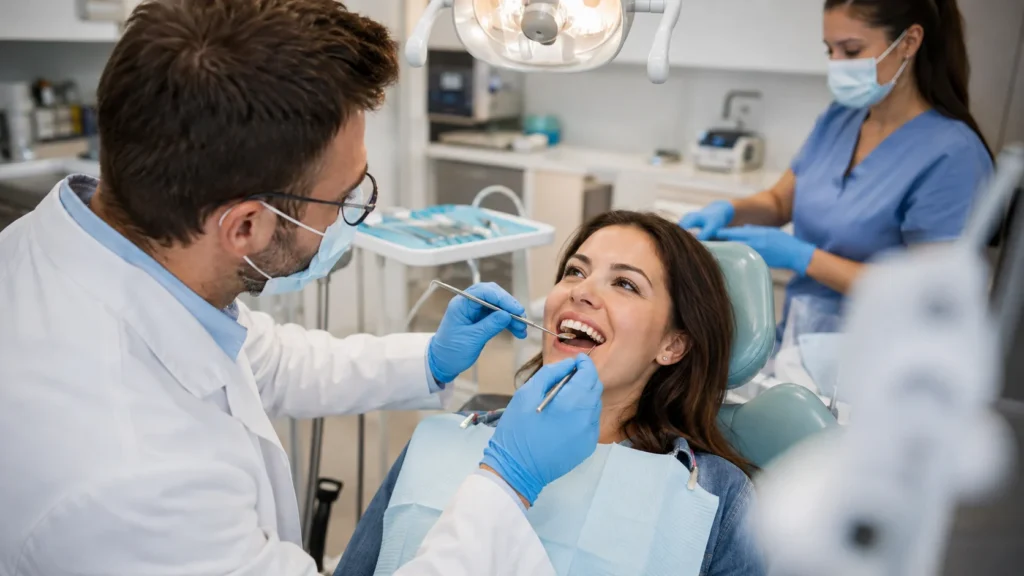
You can get a noticeably whiter smile in Vancouver, WA through several safe options: in-office professional whitening, dentist-prescribed take-home kits, and reliable over-the-counter products tailored to your needs and sensitivity. A consultation with a local dental professional quickly shows which method fits your schedule, budget, and tooth sensitivity, so you avoid wasted time and money on ineffective treatments.
They explain why stains appear—age, diet, tobacco, and certain medications—and how that affects which whitening route works best. They walk you through the pros and cons of fast in-office results versus convenient at-home plans, and how to minimize sensitivity while keeping results longer.
They also cover practical steps for aftercare and how to choose a provider in Vancouver, WA so you feel confident scheduling a consultation. Follow their guidance and you’ll know what to expect at each step and how to protect your investment in a brighter smile.
Causes of Tooth Discoloration
Tooth discoloration arises from everyday habits, natural changes over time, and certain drugs or medical conditions. Understanding specific causes helps patients choose the right whitening option and avoid future staining.
Everyday Lifestyle Factors
Diet and tobacco use cause the majority of surface stains. Coffee, black tea, red wine, cola, soy sauce, and deeply pigmented fruits (like blueberries) contain chromogens that bind to enamel and leave brown or yellow marks. Smoking and chewing tobacco deposit tar and nicotine that darken teeth more aggressively than most foods.
Poor oral hygiene amplifies staining. Plaque and tartar trap pigments and make whitening less effective until removed by a dental cleaning. Acidic drinks, such as citrus juices and sports beverages, erode enamel and reveal the yellower dentin beneath, increasing apparent discoloration.
Some habits speed staining unevenly. Mouth-breathing can dry enamel and worsen pigment adhesion. Using colored mouth rinses regularly or rinsing teeth infrequently after pigmented foods also raises stain risk.
Aging and Genetics
Enamel naturally thins with age, exposing the darker dentin underneath. This process creates a gradual, uniform yellowing that over-the-counter whiteners may not fully reverse. Grinding and abrasion from years of chewing can also wear down enamel, intensifying color changes.
Genetics determine enamel thickness, natural tooth shade, and how porous enamel is. Some people inherit naturally darker or more translucent teeth that show stains more readily. Developmental conditions, such as enamel hypoplasia, alter enamel quality and make discoloration more likely.
Lifelong enamel maintenance matters. Regular professional cleanings, fluoride treatments, and avoiding aggressive brushing help preserve enamel. For genetically driven discoloration, professional whitening or veneers often provide better, longer-lasting results than home kits.
Medications and Health Conditions
Certain medications cause intrinsic staining that affects the tooth structure itself. Tetracycline antibiotics taken during tooth development (in utero or early childhood) produce gray-brown bands that resist standard bleaching. High levels of fluoride in childhood can create white flecks or brown mottling known as fluorosis.
Adults taking long-term antihistamines, antipsychotics, or blood pressure drugs may notice gradual tooth darkening as a side effect. Chemotherapy and radiation to the head or neck can also alter tooth color and enamel integrity.
Systemic health issues can influence color too. Liver disease, metabolic disorders, and excessive iron supplementation sometimes change tooth shade. Dentists will evaluate medical history and coordinate with physicians to identify reversible causes and recommend appropriate whitening or restorative options.
Professional Whitening Treatments
Professional whitening options in Vancouver, WA, deliver faster, safer, and more predictable results than over-the-counter products. Patients can choose between fast in-office procedures, custom take-home systems, or advanced laser techniques depending on budget, sensitivity, and schedule.
In-Office Bleaching Procedures
In-office bleaching uses higher-concentration peroxide gels applied by a dental professional to remove deep stains in a single visit. The clinician isolates gums with a rubber dam or protective gel, then applies a 15–40% hydrogen peroxide or carbamide peroxide formula. Exposure time typically ranges from 30 to 90 minutes, sometimes split into multiple short applications with rest periods to reduce sensitivity.
Results often appear immediately, lightening teeth by several shades. This method suits people seeking rapid improvement before an event or those who have not achieved desired results with store products. Side effects are usually limited to temporary tooth sensitivity and mild gum irritation; these are managed with desensitizing agents and shorter application times.
Custom Take-Home Whitening Kits
Custom take-home kits combine professional oversight with the convenience of at-home use. The dentist takes digital scans or impressions to fabricate snug thermoplastic trays that hold a lower-concentration peroxide gel (typically 10–22% carbamide peroxide). Patients wear trays daily for 30–90 minutes or overnight, depending on the prescription.
The gradual approach reduces sensitivity and allows fine-tuning during follow-up visits. It works well for maintaining brightness after in-office treatment or for people who prefer a slower, controlled regimen. Clear instructions, tray fit checks, and occasional strength adjustments improve safety and outcomes.
Laser Whitening Technology
Laser whitening pairs a professional peroxide gel with a concentrated light source to accelerate oxidation of stains. The dentist applies a high-strength gel, then directs a diode or LED laser at the teeth in short bursts. Total chair time is often under an hour, though protocols vary by practice and equipment.
Laser methods can produce rapid shade change, but evidence on superior long-term results versus conventional in-office bleaching is mixed. Patients with sensitivity, restorations, or very deep intrinsic stains should discuss expectations and potential need for staged treatment. Practitioners control power settings and gel composition to balance effectiveness with comfort.
Over-the-Counter Whitening Choices
Many patients choose OTC options for cost and convenience. These products vary by active ingredient, application method, time to see results, and potential sensitivity.
Whitening Toothpastes and Rinses
Whitening toothpastes use mild abrasives and low levels of chemical agents like hydrogen peroxide or carbamide peroxide to remove surface stains. They are best for coffee, tea, and tobacco discoloration and do not change intrinsic tooth color.
Typical use: brush twice daily; expect gradual improvement over 2–3 months. Pros: low cost, easy daily habit, some formulas include desensitizing agents. Cons: limited whitening power, potential enamel abrasion with heavy use, and no effect on restorations (crowns, veneers).
Rinses can contain peroxide and help reduce surface stains when used daily after brushing. They require longer use to notice change and are an adjunct, not a replacement, for brushing. Patients with gum disease or sensitivity should consult a dentist before starting peroxide mouthrinses.
Strips and Gels
Whitening strips and gels contain higher concentrations of peroxide than toothpastes and deliver noticeable results in days to weeks. Strips adhere to front teeth; gels come in pens or syringes applied with a brush or tray.
Typical regimen: daily application 10–30 minutes for 7–14 days. Pros: affordable, effective for anterior teeth, easy home use. Cons: uneven coverage on crooked or spaced teeth, gum irritation if product contacts soft tissue, and increased sensitivity for some users.
Follow product directions closely. Avoid overuse to reduce risk of enamel damage and heightened sensitivity. Those with extensive restorations, pregnancy, or severe sensitivity should seek a dentist’s recommendation before using strips or peroxide gels.
Whitening Trays Available in Pharmacies
Pharmacy trays come prefilled or as boil-and-bite molds paired with peroxide gels. They provide fuller coverage than strips and can treat more teeth at once. Trays vary in peroxide strength and recommended wear time.
Use: mold the tray (if required), apply gel sparingly, wear per instructions—overnight or for 30–60 minutes. Pros: better coverage, adjustable fit in boil-and-bite models, moderate cost. Cons: risk of gum exposure to gel, tray overflow causing irritation, and less precise fit than dentist-made trays.
Patients with crowded teeth, large fillings, or active decay should consult a dentist before using OTC trays. Proper application and following time limits reduce complications and improve comfort.
Comparing Results: Professional vs. At-Home Methods
Professional whitening delivers faster, more predictable shade changes, while at-home kits offer gradual improvement and lower upfront cost. Patients choose between immediate, supervised results and slower, maintenance-friendly routines.
Speed and Effectiveness
In-office whitening with concentrated hydrogen peroxide typically lightens teeth 6–10 shades in a single 60–90 minute visit. Dentists control concentration, application time, and isolation, so results are both rapid and uniform across visible teeth surfaces.
Custom take-home trays from a dentist use lower-strength gel but still produce noticeable change within 1–2 weeks of daily wear. Over-the-counter strips and paint-on gels usually need 2–6 weeks and often achieve 1–3 shades of improvement, depending on original discoloration and product strength.
Effectiveness also depends on stain type. Extrinsic stains from coffee, tobacco, and tea respond well to both professional and at-home peroxide. Intrinsic staining (e.g., tetracycline, restorations) rarely fully responds to peroxide; a dentist can recommend veneers or bonding when whitening won’t meet expectations.
Duration of Results
Professional treatments typically maintain a brighter appearance for 6–24 months, provided the patient limits staining foods and practices good oral hygiene. Dentists often provide a take-home touch-up kit to extend results with an occasional application.
At-home regimens produce shorter-lived outcomes. OTC kits may require reapplication every 3–6 months to maintain the same shade. Custom trays used intermittently (for example, one night per month) can keep results similar to in-office longevity with less peroxide exposure.
Lifestyle factors directly affect duration. Smoking, frequent red wine or coffee, and poor oral hygiene accelerate relapse. Regular dental cleanings slow discoloration by removing surface buildup and should be part of any maintenance plan.
Cost Considerations
In-office whitening in Vancouver, WA, typically ranges from $400 to $1,000 depending on technology (laser, LED-boosted, or standard peroxide) and whether a follow-up touch-up set is included. The price reflects professional oversight, stronger agents, and immediate results.
Dentist-prescribed take-home trays usually cost $200–$400, including custom acrylic trays and several syringes of gel. They balance efficacy and cost by allowing supervised at-home use with professional guidance.
Over-the-counter options cost $20–$100. They offer the lowest upfront expense but may require repeated purchases and often produce weaker, less predictable outcomes. Patients should weigh the long-term cost of repeated OTC purchases and potential need for professional correction against the higher initial investment in professional care.
Sensitivity and Safety Concerns
Patients should expect temporary sensitivity, know how to reduce risk, and recognize when whitening is not appropriate. Practical steps, product choices, and when to consult a dentist will help protect enamel and gum health.
Common Side Effects
Teeth whitening most often causes tooth sensitivity and gum irritation. Sensitivity usually appears as sharp, brief discomfort to cold or air within 24–48 hours after treatment and often subsides within a few days to two weeks.
Over-the-counter strips and trays using 6–10% hydrogen peroxide produce milder sensitivity than stronger in-office gels (25–40%). Gum irritation results from bleaching gel contacting soft tissue; it shows as redness or mild soreness and resolves when exposure stops.
Rarely, prolonged or repeated use can lead to increased enamel porosity or altered surface texture. Any persistent pain, visible gum recession, or white spots that don’t improve after 2 weeks warrants a dental exam.
Safe Practices for Sensitive Teeth
Use low-concentration products and shorter application times to reduce sensitivity. For at-home options, choose trays that fit well and products with desensitizing ingredients like potassium nitrate or fluoride.
Apply fluoride or desensitizing toothpaste containing 5% potassium nitrate for two weeks before and after whitening to lessen nerve response. For in-office treatment, ask the dentist for a topical desensitizer (e.g., sodium fluoride varnish) applied immediately after bleaching.
Limit whitening frequency: avoid repeating full-strength treatments more than once every 6–12 months. If sensitivity occurs during use, stop treatment for 48–72 hours and resume at reduced time or concentration only after symptoms ease.
Who Should Avoid Whitening
People with active tooth decay, untreated gum disease, or exposed root surfaces should not undergo whitening until those conditions are treated. Bleaching agents can irritate infected or inflamed tissue and worsen sensitivity.
Patients with porcelain crowns, veneers, or composite restorations should know these materials won’t whiten; mismatched shades may result. Pregnant or breastfeeding individuals and children under 16 are generally advised to postpone whitening due to limited safety data.
Those with a history of severe tooth sensitivity, recent root canal therapy on target teeth, or allergies to peroxide compounds should consult a dentist for alternative cosmetic or restorative options before attempting whitening.
Caring for Your Brighter Smile
Maintain consistency with simple habits and avoid known staining culprits to keep whitening results longer. Regular touch-ups, proper brushing technique, and smart beverage choices make the biggest difference.
Daily Habits to Maintain Whiteness
They should brush twice daily with a soft-bristled brush and a fluoride toothpaste. Brushing removes surface stains and plaque that can dull whitened teeth; they should angle the brush 45° and use gentle circular motions for at least two minutes.
They should floss once a day to remove debris between teeth where stains start. An interdental brush or floss picks can help patients who find string floss awkward.
They should rinse with water after consuming staining foods or drinks if they cannot brush immediately. Using a whitening toothpaste 2–3 times per week helps maintain brightness without overusing abrasive formulas.
They should schedule professional touch-ups as recommended—often every 6–12 months for in-office whitening or shorter for take-home trays. Regular dental cleanings also remove surface stains and let the dentist monitor sensitivity or enamel health.
Foods and Drinks to Watch Out For
They should avoid or limit coffee, black tea, red wine, cola, and dark fruit juices, all of which contain chromogens that adhere to enamel. When consuming these, drinking through a straw can reduce contact with front teeth.
They should be cautious with tomato-based sauces, soy sauce, curry, beets, and berries; these foods have strong pigments that can stain. Rinsing or eating a plain palate-cleansing food (like cheese or apples) afterward reduces pigment contact.
They should limit acidic beverages like citrus juices and soda; acid softens enamel and makes teeth more susceptible to staining. If sensitivity arises after whitening, they should use a desensitizing toothpaste and consult their dentist before changing products.
For smokers and vapers, quitting provides the largest whitening benefit; nicotine and tar produce heavy, persistent stains that quickly reverse whitening progress. Dentists can recommend cessation resources and targeted stain-removal options.
Choosing the Right Option for You
Match whitening method to desired shade, time available, budget, and dental history. Consider sensitivity, existing dental work, and how quickly results are needed when picking a treatment.
Personal Smile Goals
They should define a target shade and timeline. If someone wants a one- or two-shade improvement for an upcoming event, in-office whitening with higher-concentration gel and light/laser support often delivers the fastest, most noticeable result in a single visit. For gradual change or tighter budgets, custom take-home trays from a dentist provide controlled, even whitening over one to four weeks.
Sensitivity matters. Those who experience hot or cold pain should choose lower-concentration products and discuss desensitizing agents or shorter application times with their dentist. Porcelain crowns, veneers, and composite fillings won’t change color with bleaching; patients seeking uniform color may need restorative work instead of—or after—whitening.
Working With a Dental Professional
A dentist evaluates oral health, stains type (extrinsic vs. intrinsic), and restorations before recommending a plan. They can measure baseline shade, document photos, and present realistic expectations tailored to enamel thickness and stain depth.
Professional supervision reduces risk of uneven results and gum irritation. Dentists can supply custom trays, prescribe higher-strength peroxide when appropriate, and offer in-office desensitizing treatments. They also advise maintenance—touch-up trays or periodic at-home gels—to preserve results and protect enamel integrity.
Next Steps: Scheduling a Consultation
Patients should call or use the clinic’s online form to request an appointment. A brief intake will confirm coverage, preferred times, and whether they seek in-office whitening, take-home kits, or a consultation first.
The front desk often asks about dental history and current tooth sensitivity. This helps the dentist tailor recommendations and choose products that reduce discomfort.
During the consultation the dentist examines enamel, existing restorations, and gum health. They explain options, expected results, and any preparatory care—like a cleaning or replacing aged crowns—so whitening results look natural.
Bring questions and recent dental records if available. Typical questions include: “Which method lasts longest?” and “Will whitening affect cavities or crowns?”
Use this checklist when scheduling:
- Preferred dates/times
- Insurance or payment method
- Current medications and sensitivity concerns
- Photos of smile (optional)
If sensitivity is a concern the clinic can suggest desensitizing toothpaste or a staged approach. For complex cases they may recommend professional in-office treatment first, then take-home trays for maintenance.
They encourage calling with questions before the visit. A friendly staff member will help set expectations and book the best option for the patient’s lifestyle and goals.
Frequently Asked Questions
This section answers common concerns about safety, cost, office versus take-home treatments, sensitivity, longevity, and when whitening may not be enough. It focuses on practical choices available in Vancouver, WA, and what patients can expect from each option.
What are the safest ways to whiten teeth, and which option is best for my smile goals?
Dentist-supervised bleaching—either in-office or custom take-home trays—offers the best balance of safety and predictable results. A licensed dentist evaluates enamel health, gum condition, and restorations before recommending a plan that matches desired whiteness and timing.
Over-the-counter strips or whitening toothpaste can lighten surface stains but work slower and vary in effectiveness. Patients aiming for significant shade changes or with restorations should choose professional whitening or discuss veneers/veneering options with their dentist.
How much does professional teeth whitening typically cost in Washington state, and what affects the price?
In Washington state, in-office whitening commonly ranges from $400 to $800 per session, while dentist-prescribed take-home trays typically cost $300 to $500. Location, the dentist’s experience, and the specific whitening system influence price.
Additional costs include pre-treatment exams, custom tray fabrication, follow-up visits, and touch-up gels. Complex cases needing repairs for old restorations or treatment of gum disease before whitening will raise the overall cost.
What’s the difference between in-office whitening and take-home whitening trays from a dentist?
In-office whitening uses stronger peroxide concentrations and professional light or laser adjuncts to produce faster, often immediate results in one to two visits. It works well for patients wanting a quick, noticeable change under direct clinical supervision.
Take-home trays use lower-concentration peroxide in custom-fitted trays for daily at-home use over one to two weeks. They offer more gradual, controllable whitening and are convenient for maintenance or for patients with sensitivity concerns.
How long do whitening results usually last, and what can I do to keep my teeth brighter longer?
Results typically last six months to three years, depending on diet, oral hygiene, and habits like smoking. Regular cleanings, avoiding stain-causing foods and drinks, and touch-up gel applications every few months extend brightness.
Using a straw for dark beverages, brushing within 30–60 minutes after staining foods, and maintaining good plaque control help protect results. Patients with intrinsic discoloration may need restorative options for a longer-lasting change.
Will teeth whitening make my teeth sensitive, and how can I stay comfortable during treatment?
Some degree of sensitivity is common, usually temporary, and peaks 24–48 hours after treatment. Dentists recommend desensitizing toothpaste, shorter application times, or lower-concentration gels to reduce discomfort.
For persistent sensitivity, the dentist can pause treatment, add fluoride varnish or potassium nitrate treatments, or switch to a slower take-home protocol. Proper gum isolation during in-office procedures also minimizes soft-tissue irritation.
Can whitening remove stains from coffee, tea, wine, or smoking, and when might I need a different cosmetic option?
Surface stains from coffee, tea, red wine, and smoking usually respond well to peroxide-based whitening. Regular professional cleanings plus whitening often restore much of the original shade.
Deep intrinsic stains from trauma, tetracycline, or aging may not fully respond to bleaching; in those cases, porcelain veneers or composite bonding provide more predictable color correction. A dental exam determines the staining type and the best cosmetic path.
For personalized advice and to determine the right option for your situation, patients are encouraged to schedule a consultation with a local Vancouver, WA dentist.